
Your dryer works hard. But if you’re not cleaning the vent that carries hot air outside, you’re risking more than just longer dry times - you’re risking your home.
Every year, 2,900 home fires start in clothes dryers, causing an estimated $35 million in property damage. The leading cause? Failure to clean the dryer vent. For Michigan homeowners, where winters already put enough strain on your home systems, this is one maintenance task you can’t afford to ignore.
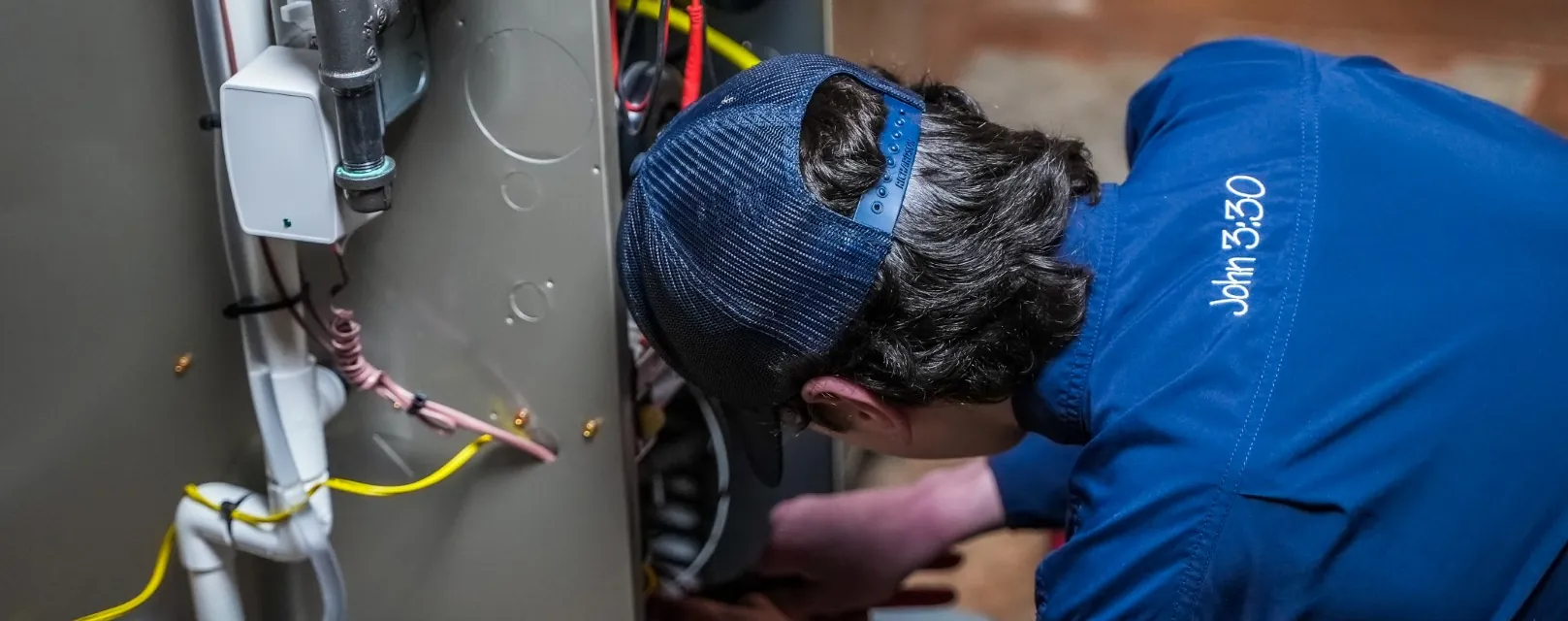
At Macklin Heating & Cooling, we clean dryer vents across Genesee County, and we’ve seen what happens when lint builds up unnoticed. Here’s what you need to know.
What Is Dryer Vent Cleaning?
Dryer vent cleaning is the process of removing lint, debris, and blockages from the vent duct that runs from your dryer to the outside of your home. Over time, lint escapes the lint trap and accumulates in the vent line. A professional cleaning uses specialized brushes and high-powered vacuums to clear the entire run, which is often 15 to 35 feet or more.
Why It Matters: 4 Risks of a Clogged Dryer Vent
- Fire Hazard
Lint is highly flammable. When your dryer overheats because of restricted airflow, that lint can ignite. The U.S. Fire Administration reports that failure to clean dryer vents is the leading factor in 34% of dryer fires.
- Carbon Monoxide Poisoning (Gas Dryers)
A blocked vent can cause carbon monoxide to back up into your home instead of exhausting outside. This is especially dangerous in Michigan basements where dryers are often installed.
- Higher Energy Bills
A clogged vent forces your dryer to work harder and run longer. You might notice clothes taking two or three cycles to dry. That extra runtime adds up on your utility bill.
- Premature Dryer Failure
Overheating wears out motors, heating elements, and thermostats. A $150 vent cleaning can save you from a $800+ dryer replacement.
How Often Should You Clean Your Dryer Vent?
The National Fire Protection Association recommends cleaning your dryer vent at least once per year. However, you may need more frequent cleanings if you:
-
Do multiple loads of laundry per day
-
Have a long or winding vent run
-
Notice clothes taking longer to dry
-
See excessive lint buildup around the vent opening
Signs Your Dryer Vent Needs Cleaning
-
Clothes take longer than one cycle to dry
-
The dryer feels hot to the touch
-
You smell burning or musty odors
-
Lint is visible around the exterior vent flap
-
The vent hood doesn’t open when the dryer runs
DIY vs. Professional Dryer Vent Cleaning
You can clean the lint trap and the first few feet of duct yourself, but professional cleaning is strongly recommended for the full vent run. Macklin’s technicians use rotary brushes and high-suction equipment to clear every bend and elbow in the line - something a basic kit from the hardware store can’t match.
Professional dryer vent cleaning cost in Michigan is typically $150 to $300, depending on vent length, accessibility, and buildup severity.
What Happens During a Macklin Dryer Vent Cleaning?
-
Inspection – We check airflow and identify blockages
-
Disconnection – Safely detach the dryer from the vent line
-
Agitation & Extraction – Rotary brushes loosen debris; high-powered vacuum removes it
-
Reassembly & Test – Reconnect everything and verify proper airflow
-
Safety Check – Inspect the exterior vent cap and surrounding area
Schedule Your Dryer Vent Cleaning in Genesee County
Don’t wait for a warning sign. If it’s been over a year - or you can’t remember the last time your vent was cleaned - Contact Macklin Heating & Cooling. or schedule online. We serve Swartz Creek, Linden, Flint, and all of Genesee County.
Need heating or cooling service?
Request service online or call our team for installation, repair, and maintenance.
Request service